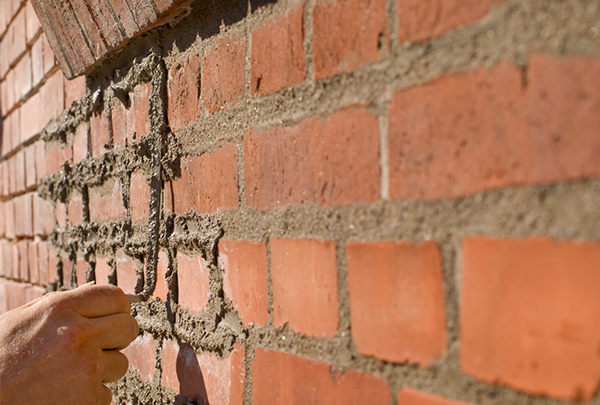
Periodic mortar repair often holds the key to safeguarding a property’s structural integrity long-term. The same also applies to all types of brick structures, which may occasionally benefit from localised or extensive mortar repair.
As the name suggests, mortar repair involves the careful removal of the current material used to hold the bricks together, in order to be replaced with a more durable and hard-wearing product. Different projects call for different types of mortar, which is where our extensive knowledge and experience with all types of properties make all the difference.
At Kevin Nye Brickwork and Pointing, we have spent more than 30 years working on classical and contemporary properties of all shapes and sizes across London. Our expertise in mortar repair and general brickwork services is unrivalled, enabling us to confidently outperform the competition at consistently unbeatable prices.
Call anytime to discuss any aspect of our brick and mortar repair services in more detail.
How do you repair damaged mortar?
Repairing damaged mortar is a process that begins with first removing every trace of cracked, flaking, falling and decaying mortar from the gaps between the brickwork. The remaining mortar and surrounding structure must then be carefully cleaned, after which new mortar can be pressed into place and left to cure.
How do you fix crumbling mortar?
Crumbling mortar indicates deterioration due to the age of the mortar, exposure to adverse weather conditions or moisture having worked its way into the material. Crumbling mortar must be carefully and completely removed, prior to new mortar being pressed into position and allowed to clean. Specialist equipment should be used to avoid causing damage to the surrounding brickwork.
How do you test for weak mortar?
It is possible to test the strength and condition of mortar simply by a running a flat head screwdriver over the surface, or tapping on it with the edge of a rubber mallet. If this mild to moderate impact or abrasion results in the cracking, crumbling or loosening of the mortar, it may be too weak to support the surrounding structure and therefore needs to be replaced.
Can I put new mortar over old mortar?
Under no circumstances should mortar be used to simply ‘patch over’ damaged or weak mortar. New mortar can be used on top of old mortar only when all damaged and decaying material has first been removed and the area has been thoroughly cleaned. Issues with mortar deterioration will only continue or even accelerate if the old damaged mortar is simply covered up with new mortar.
What causes mortar to deteriorate?
The primary factors that cause mortar to deteriorate are exposure to adverse weather conditions, expansion and contraction due to temperature changes, erosion from water and the natural ageing process of the material. The harsher the environment and the more prolonged the exposure to the adverse or extreme conditions, the faster the mortar will deteriorate.
Are cracks in mortar normal?
Cracks in mortar are normal in the sense that even the best mortar has a finite lifespan. Superficial surface cracks are no immediate cause for concern, but cracks that indicate more widespread or severe decay, damage or deterioration of the mortar should be taken seriously.
Periodic mortar repairs represent a cost-effective alternative to more extensive repair and renovation work when damage to mortar becomes more severe.
Does water go through mortar?
Cured mortar is not 100% water resistant and therefore will absorb a certain amount of water. However, there are various treatments available that can provide further protection by repelling water when it comes into contact with the surface of your brickwork and the mortar holding the masonry units together.
Repointing Brick Mortar
Repointing brick mortar is a form of a periodic preventative maintenance that can prevent more serious damage from occurring. Where cracks or deterioration to the material holding the bricks together are noted, repointing brick mortar can halt the progression of the problem in its tracks.
Year-round exposure to harsh and changeable weather conditions takes a toll on brick mortar, ultimately compromising its strength and structural integrity. Periodic repointing can subsequently extend the lifespan of a brickwork structure indefinitely and is significantly more cost-effective than paying for major repairs at a later date.
Cracks in Brickwork Mortar
Cracks in brickwork mortar appear for a variety of reasons, though in most cases are attributed to the following:
- Exposure to the elements
- Frequent changes in temperature
- Natural expansion and contraction
- Absorption of moisture
- General wear and tear
- Building subsidence or structural issues
While most cracks in brickwork mortar are not indicative of a major structural issue, they should nonetheless be investigated to identify the cause of the problem.
If you have noted any cracks in your brickwork mortar you are concerned about and would like to arrange an obligation-free inspection, contact a member of the team at Kevin Nye Brickwork and Pointing today.
Cracks in Mortar Between Bricks
When cracks in mortar between bricks appear in any brickwork structure, it is natural to be concerned. In some instances, cracks in mortar between bricks suggest an urgent or progressive issue with the structural integrity of the wall, or perhaps even the property as a whole.
However, most cracks in mortar between bricks occur simply due to the natural ageing process of the material and everyday wear and tear. Where these minor cracks and surface imperfections are dealt with at the earliest possible stage, they can be prevented from escalating into more serious and potentially hazardous issues.
Holes in Mortar Between Bricks
Holes in mortar between bricks typically suggest that the missing mortar has fallen from the wall due to deterioration and decay. This may also suggest that the surrounding mortar’s structural integrity may have been compromised, and should therefore be inspected.
However, holes in mortar between bricks may also suggest you have mortar bees – aka masonry bees – nesting in your walls. As the tunnels and holes these insects burrow into brick walls can cause major structural damage, a suspected masonry bee infestation should likewise be investigated at the earliest possible stage.
Mortar Between Bricks Crumbling
The mortar between bricks begins crumbling when the structural integrity of the material is compromised. This can be due to a variety of factors, though crumbling is typically associated with the absorption of moisture and the natural expansion/contraction of the materials in warm and cold temperatures.
Mortar between bricks that is noticeably crumbling should be removed at the earliest possible stage. Damaged mortar can subsequently be replaced with new mortar, in order to provide a robust and long lasting protection for the surrounding stonework. The longer the mortar between bricks is left to crumble, the more likely the problem is to both escalate and accelerate.
Cracked Mortar Joints
The single most common cause of cracked mortar joints is the natural deterioration of the material over time, coupled with damage attributed to expansion and contraction due to changes in temperature. Movements of the surrounding structure and general material failure can also result in cracked mortar joints.
Noting the occasional cracked mortar joint in an isolated location need not be a major cause for concern. However, more extensive cracked mortar joints or those that appear to worsen rapidly should be investigated and repaired at the earliest possible stage. To repair cracked mortar the moment it is detected is to save time, effort and money on more extensive repairs further down the line.